

How we make it greener VOCOMP®
W. R. MEADOWS manufactures VOCOMP-20, VOCOMP-25, and VOCOMP-30 in the USA and Canada.
W. R. Meadows recognizes how regional manufacturing reshapes the way raw materials are acquired, fostering efficiency and sustainability.
- Sourcing materials locally is more sustainable and results in a smaller carbon footprint for several reasons.
- It reduces transportation emissions by avoiding long-distance and overseas shipping, cutting fuel use and greenhouse gas output.
- Supporting domestic industries strengthens local economies and promotes sustainable practices, reducing reliance on global supply chains.
- Local sourcing ensures efficient logistics, as materials are transported over shorter distances, saving energy in storage and transit.
Finally, it eliminates dependence on energy-intensive transport modes like cargo ships and planes, which consume large amounts of fossil fuels. Domestic sourcing supports the environment and creates more resilient, eco-friendly supply chains.

Reducing Transportation Costs and Impact through Regional Manufacturing:
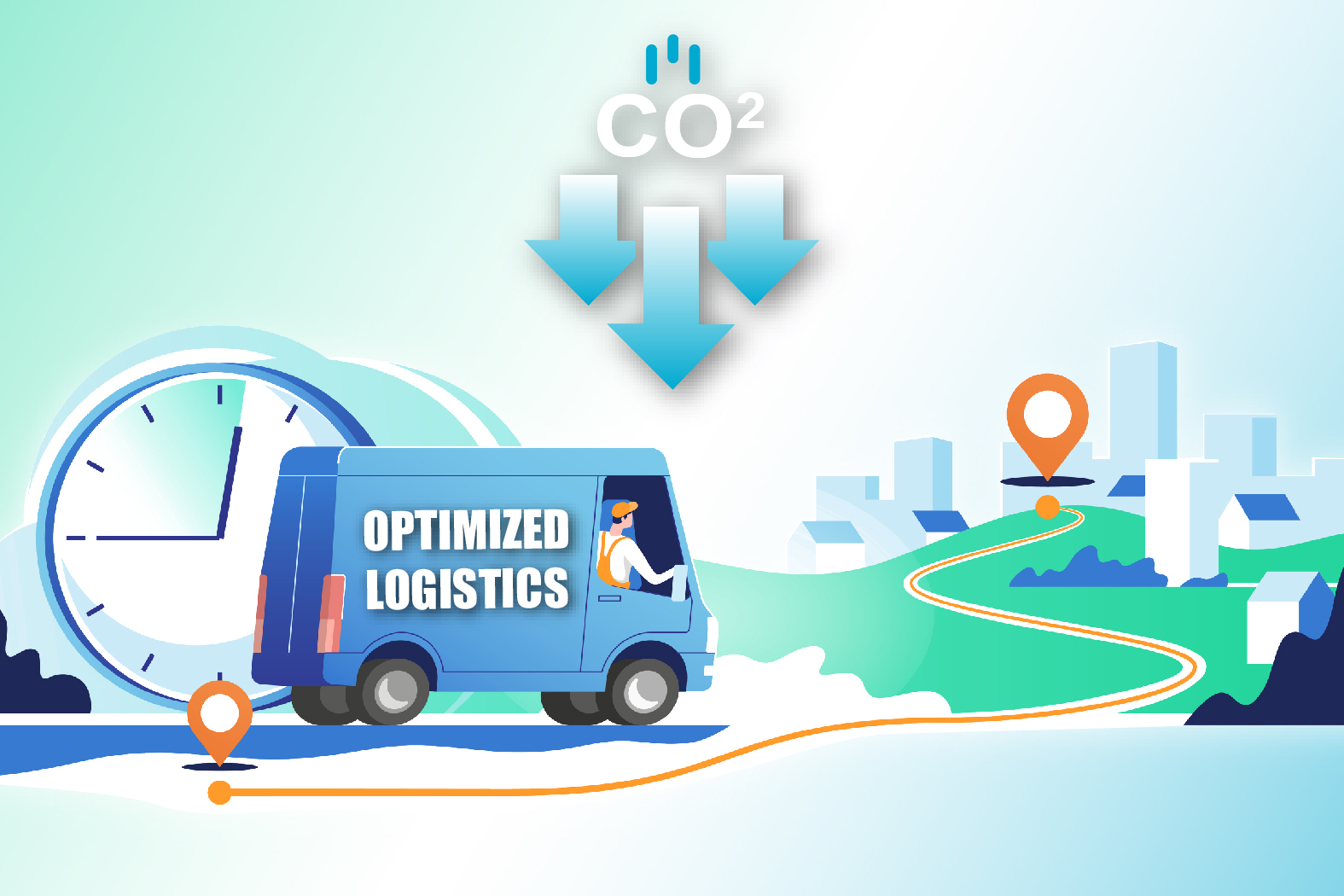
- Regional manufacturing, where goods are produced closer to their markets, significantly minimizes transportation needs.
- Shortening the distance traveled for raw materials and finished goods reduces reliance on energy-intensive methods like long-haul trucking, cargo ships, and planes.
- Fewer miles traveled directly translate to cost savings and lower greenhouse gas emissions.
W. R. MEADOWS utilizes Continuous Improvement in its daily standard work for all manufacturing activities.
Front-line supervisors are the champions of OEE (Overall Equipment Effectiveness), which plays a crucial role in reducing energy consumption in manufacturing. It highlights any inefficiencies and directs our efforts to minimize unnecessary energy use. By closely monitoring equipment performance, OEE identifies periods of downtime, slow speeds, and quality defects, which can all lead to wasted energy. Moreover, OEE-driven improvements have led Meadows to more streamlined processes, better scheduling, and reduced machine wear, all of which contribute to lower energy costs and a more sustainable operation. This proactive approach not only decreases energy consumption but also helps manufacturers meet environmental goals and reduce their carbon footprint.
Further, OEE has helped Meadows to identify and reduce scrap by providing insights into equipment performance, highlighting areas where defects or inefficiencies occur during production. With improved equipment efficiency and fewer production delays, OEE ensures that processes run optimally, resulting in fewer errors and reduced waste. Ultimately, this leads to a higher-quality product with less material being wasted during the manufacturing process.
Manufacturing waste, clarified water, and wastewater solids are recycled back into the product when feasible.
The Benefits of Regional Manufacturing: Enhancing Efficiency and Sustainability
Regional manufacturing focuses on producing goods closer to the markets it serves, simplifying supply chains, and fostering local resource utilization.
Tapping into local labor and materials reduces dependence on extended logistics networks and reduces carbon emissions.

We understand the importance of end-of-life disposal. However, these products are meant to remain permanently adhered to their substrates, making them challenging to remove. As a result, they are typically landfilled during deconstruction or demolition.

 SM Transparency Report (EPD) ™
- VERIFICATION LCA
- 3rd-party reviewed
- Transparency Report (EPD)
- 3rd-party verified
Validity: 05/28/25 – 05/28/30
SM-WRM – 05282025 – 009
This environmental product declaration (EPD) was externally verified by Lindita Bushi, PhD, Senior Research Associate at Athena, according to ISO 21930:2017; NSF PCR for Architectural Coatings; and ISO 14025:2006.
Athena Sustainable Materials Institute
600 Grings Hill Road
Sinking Spring, PA 19608
https://www.athenasmi.org/
(610) 985-0933

SUMMARY
Reference PCR
NSF PCR for Architectural Coatings
Regions; system boundaries
North America; Cradle-to-grave
Functional unit: 1 m2
LCIA methodology: TRACI 2.1
LCA software; LCI database
SimaPro Developer 9.6; ecoinvent v3.10, US-EI 2.2
Public LCA:
LCA of W. R. MEADOWS VOCOMP and MEL-PRIME
In accordance with ISO 14044 and the reference PCR, this life cycle assessment was conducted by Sustainable Minds and reviewed by Lindita Bushi, PhD, Senior Research Associate at Athena.
©2026 | The SM Transparency Report™ Program is operated by Sustainable Minds® | Privacy policy
W.R. MEADOWS, Inc.
300 Industrial Drive
P.O. Box 338
Hampshire, IL 60140-0338
wrmeadows.com
(800) 342-5976