

How we make it greener PROFLO® Single Handle Lavatory Faucet
Copper and zinc scrap generated during faucet manufacturing is processed into pipings, forged material, cold rolled material, low pressure casting copper material, spout, zinc slag, scrap zinc alloy parts, and casted parts according to different material type in order to centralize collection and improve the ease and rate of recycling.
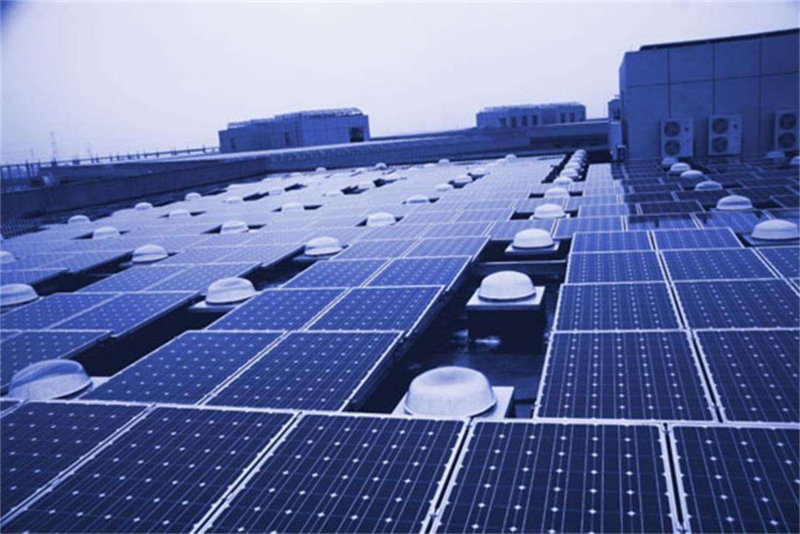
Current Ferguson production processes mainly use natural gas. However, the use of solar power is under consideration to promote sustainable development. For example, the local government in the area where the toilet production facility is located has begun the construction of solar power generation systems, which will be used in the production of its sanitary ceramics in order to reduce the use of natural gas and other energy inputs. Ferguson is looking into adopting this practice at its faucet production facilities as well.
Ferguson is making efforts to reduce the total transportation distance required for its upstream transportation and distribution activities. These efforts include local sourcing and the use of multiple distribution centers.
Local sourcing is being used not only for the smaller components used in faucet production, but also for Ferguson's largest raw material purchases for its other products. For example, the main raw materials used in sanitary ceramic production are washed mud, feldspar, and porcelain stone powder. These raw materials are sourced from locations close to the manufacturing facility, and the port for shipment to the US is close by.

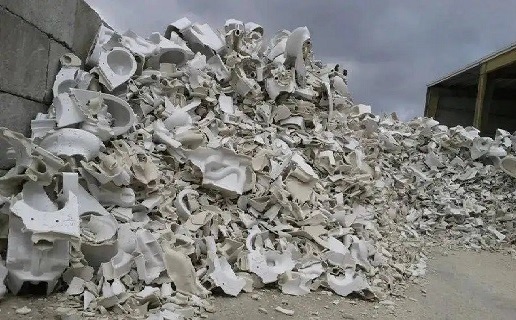
Ferguson is working to make end-of-life disposal pathways more sustainable not only for faucets, but for all its product offerings across multiple product categories. For example, waste sanitary ceramics can be broken into ceramic fragments or powder, which can be used to manufacture building materials such as ceramic tile adhesives and cement additives.
Processing waste sanitary ceramics into fine particles can produce raw materials for the production of green building materials, such as concrete additives used for environmentally friendly lightweight partition panels, road bricks, etc. While this is not yet commonplace, these practices would reduce the emissions associated with landfill and improve the potential environmental performance of building materials.
 SM Transparency Report (EPD) ™ + Material Health Overview ™
- VERIFICATION LCA
- 3rd-party reviewed
- Transparency Report (EPD)
- 3rd-party verified
Validity: 08/13/2024 – 08/12/2029
FER – 20240813 – 001
- Material HealthMaterial
evaluation - Self-declared
This environmental product declaration (EPD) was externally verified by Industrial Ecology Consultants, according to ISO 21930:2017; SM Part A; SM Part B: Commercial/public metered and manual lavatory faucets; and ISO 14025:2006.
Industrial Ecology Consultants
35 Bracebridge Rd
Newton, MA 02459
www.industrial-ecology.com
(617) 553-4929

SUMMARY
Reference PCR
SM Part B: Commercial/public metered and manual lavatory faucets, v3.0
Regions; system boundaries
North America; Cradle-to-grave
Functional unit
One lavatory faucet in an average commercial environment over the estimated service life of the building
LCIA methodology; LCA software; LCI database
TRACI 2.1; SimaPro Analyst 9.5; ecoinvent v3.10 and US-EI 2.2 databases
Public LCA
LCA background report of Ferguson single handle lavatory faucets & residential two-piece toilets
©2026 | The SM Transparency Report™ Program is operated by Sustainable Minds® | Privacy policy